Entrepreneurial Mindset Network: Africa
Explore real-world insights, reflect on your practice, and find inspiration for actionable change
Entrepreneurial Mindset Network: Africa is a collection of articles that were originally published in the online EXPRESS magazine.
EXPRESS is the online magazine published three times a year by the Entrepreneurial Mindset Network. Since its launch in 2018, it has established itself as a dynamic and inclusive global platform, featuring contributions from authors in 62 countries.Entrepreneurial Mindset Network is an international community of practice for the creation of value in society through the use of the entrepreneurial mindset by higher education leaders, intrapreneurs, public policy innovators, business owners, ecosystem builders and learning innovators.Paul Coyle is the Founder and Executive Director of the Entrepreneurial Mindset Network and the editor of the Express magazine. He is an expert in the entrepreneurial mindset, innovation, entrepreneurship, leadership and organisational change.
Executive Summary
To date 14 articles have been published in EXPRESS by authors from countries in Entrepreneurial Mindset Network: Africa covering the application of the entrepreneurial mindset in six pillars - higher education leadership, intrapreneurship, venture scalability, public sector innovation, inclusive ecosystems, and learning innovation. Here is an analysis summarising 10 of the key themes...
Analytical Scope: Strengths and Limitations of a Pan-African Synthesis
African nations exhibit immense geographic, socio-economic, and regulatory diversity, spanning from Small Island Developing States (SIDS) facing extreme natural disaster risks to rapidly expanding continental digital hubs. Consequently, a primary limitation of any continental or multi-country summary is the risk of imposing a "one-size-fits-all" framework that overlooks distinct national legal systems, market scales, and socio-political contexts. However, the strength of such a synthesis lies in identifying universal structural bottlenecks, shared cultural foundations—such as traditions of solidarity and community-based networks—and transferable policy innovations across regions. Synthesising these insights enables policy-makers and educators to adapt proven benchmarks to local realities while recognizing country-specific nuances.Defining the Entrepreneurial Mindset
An entrepreneurial mindset is fundamentally a set of adaptable human capacities: the ability to identify opportunities in complexity, act under uncertainty, take calculated risks, show initiative, and create value prior to receiving financial returns. Crucially, entrepreneurship as a mindset is for everyone, even if starting a formal business enterprise is not the intended path for every individual. These cognitive and behavioral attributes empower corporate employees, academic researchers, public sector officials, and social innovators alike. Developing this mindset requires cultivating self-investment, accountability, personal agency, and the resilience to learn from mistakes and extract value from failure.Psychological, Educational, and Cultural Hurdles
A major obstacle confronting emerging entrepreneurs is deep-seated fear, including the fear of failure, financial instability, and navigating the unknown. Traditional formal education systems across many African and developing contexts remain heavily lecture-oriented and historically structured to produce civil servants, rewarding rote repetition over critical thinking, problem-solving, or risk-taking. Furthermore, while children are naturally imaginative and willing to take risks, their enterprising spirit sharply declines over time without early, structured entrepreneurial education. In corporate and academic spheres, institutional bureaucracy and risk-averse cultures further stifle innovative initiatives.Structural, Financial, and Ecosystem Challenges
Access to formal capital remains a pervasive structural barrier, as traditional commercial banks and microfinance institutions prioritize physical collateral, steady income, and guarantees over an entrepreneur's talent, earning potential, or market viability. Early-stage ventures frequently suffer from severe information gaps regarding market opportunities and a lack of post-training follow-up or structured mentorship during the critical transition from education to employment. In the family business sector, prevalent across North Africa, key challenges include informal governance, unaddressed succession planning, and a tension between conservative heritage preservation and market adaptation. Additionally, external shocks—ranging from economic disruptions and global health crises to severe natural disasters—can devastate local supply chains, physical infrastructure, and regional GDP.Re-Imagining Education: Experiential Learning, Edutainment, and Mindset Tools
Overcoming educational shortcomings requires shifting from theoretical business management lectures toward repetitive, experiential learning and practical exposure. Programs targeting young minds utilize "edutainment"—combining play, interactive simulations, and games—starting from early childhood through age-specific tiers (such as Tinypreneurs, Kidpreneurs, and BizTeens). For Generation Z and digitally native cohorts, leveraging technology, real-world case competitions, and accessible podcasts fosters critical thinking, active listening, and continuous engagement. To address psychological barriers, educators employ scenario-planning methodologies to bring unknown fears into view, helping students build self-efficacy and confidence.Ecosystem Collaboration: Triple Helix Models and Professional Coaching
Sustainable entrepreneurial development depends on the "Triple Helix" model, aligning Universities (education and incubation), Industry (practical skills, mentorship, and funding), and Government (policy facilitation and national vision). Initiatives such as "Acadustry" bridge the gap between academia and corporate sectors through executive education, real-life simulations, and multi-disciplinary cross-collaboration. To scale impact, ecosystems must move beyond short-term workshops and invest in "train-the-trainer" initiatives and professionalised business coaching, equipping advisors and educators with structured adult-learning tools. Equipping local educators and rural coaches democratises business support, allowing quality mentorship to reach secondary towns, agricultural schools, and cooperatives.Innovative Capital Models and Circular Thinking
Addressing the financing bottleneck requires creative mechanisms, including blended finance, patient capital, village savings groups with coaching support, and result-tied grants. Financial institutions can adopt circular models by recycling local savings into loans for regional MSMEs, valuing long-term client growth over short-term product profit. Digital mobile financial platforms (such as Kenya's M-Pesa) demonstrate how technology can drastically enhance financial inclusion for small enterprises. In the creative economy, adopting circular thinking ensures that cultural and artistic production is designed for durability, reusability, and continuous economic re-circulation rather than single-use obsolescence.Inclusive Innovation: Empowering Women, Youth, and Rural Communities
True economic transformation necessitates inclusive innovation ecosystems that systematically address barriers faced by women and youth, such as limited access to networks, mentorship, and decision-making spaces. Women's economic agency is enhanced by building supportive environments, including leveraging the care economy to help balance family and business responsibilities. Comprehensive pathways—such as those operated by DigiFemmes in Côte d'Ivoire—integrate digital literacy, incubation, leadership training, and investor matching to drive scalable economic participation. Supporting women and young entrepreneurs creates a powerful multiplier effect, generating jobs, uplifting families, and building resilient local communities.Governance, Legacy, and Active Reinvention in Times of Crisis
Long-term business survival depends on formalising governance structures—including family agreements, clear decision-making processes, and succession plans—well before crises occur. During economic disruptions or natural disaster recoveries, resilience is defined not by passive endurance, but by active reinvention, adaptive leadership, and strong relational social capital. Research highlights the importance of theorising business practice in the Global South on its own terms, recognizing the strategic value of deliberate organizational conservatism and local cultural values.Policy Best Practices and National Reform Case Studies
National benchmarks illustrate how streamlined regulatory frameworks drive enterprise growth; for example, Rwanda's 6-hour business registration via the Rwanda Development Board and its Vision 2050 policy architecture. Mauritius demonstrates institutional coherence through SME Mauritius Ltd, where small businesses contribute nearly 40% to national GDP. Benin exemplifies modern digital reform through its MonEntreprise paperless 24-hour registration portal, the ADPME single-window agency, and the Sème City innovation campus. To maximize impact, governments must bridge the gap between national policy design and on-the-ground reality for rural and early-stage entrepreneurs.(Executive summary generated by Gemini Notebook).
Thank you to the authors for taking the time to share their inspiring stories from Benin, Côte d'Ivoire, Egypt, Mauritius, Morocco, Nigeria, Senegal, South Africa, and Tanzania.Click on any image to read the article on screen or to download a PDF.
Eastern Africa

Northern Africa
Southern Africa

Western Africa
List of references and authors
Copyright notice. You may quote, paraphrase or refer to information in these articles on condition that you credit the author and publisher by using the following references.Antunès, I. (2024). The application of circular thinking in the creative economy and for economic growth. Entrepreneurial Mindset Network: Express 7(1). https://express-volume-7.entrepreneurial-mindset.network
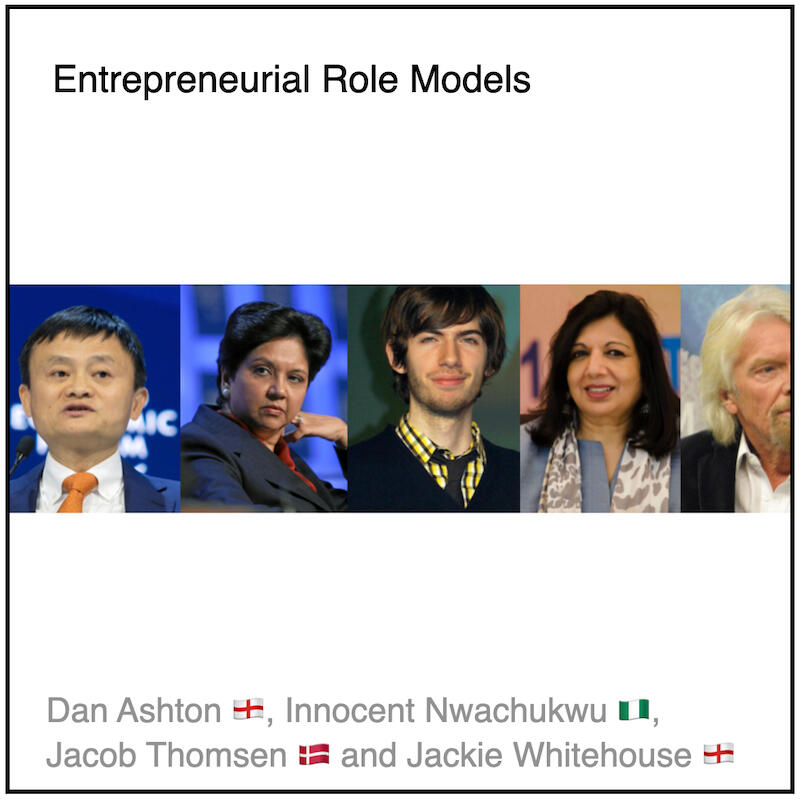
Isabelle Antunès (Country Representative, Senegal) PDF linkAshton, D., Coyle, P., Nwachukwu, I., Thomsen, J., Whitehouse, J. (2019). Entrepreneurial role models. Entrepreneurial Mindset Network: Express 2(2). https://express-volume-2.entrepreneurial-mindset.network
Dan Ashton, Paul Coyle, Innocent Nwachukwu, Jacob Thomsen and Jackie Whitehouse PDF linkBarakat, H., Bastian, B., Chan, C., and Coyle, P. (2021) Student entrepreneurs. Entrepreneurial Mindset Network: Express 4(3). https://express-volume-4.entrepreneurial-mindset.network
Hala Barakat (AUC School of Business, Egypt) and Bob Bastian (Università di Pavia, Italy) and Cyron Chan (CEO Class, Hong Kong) and Paul Coyle (Entrepreneurial Mindset Network, France) PDF linkBheekhun, N. (2021). The essence of Acadustry®. Entrepreneurial Mindset Network: Express 4(2). https://express-volume-4.entrepreneurial-mindset.network
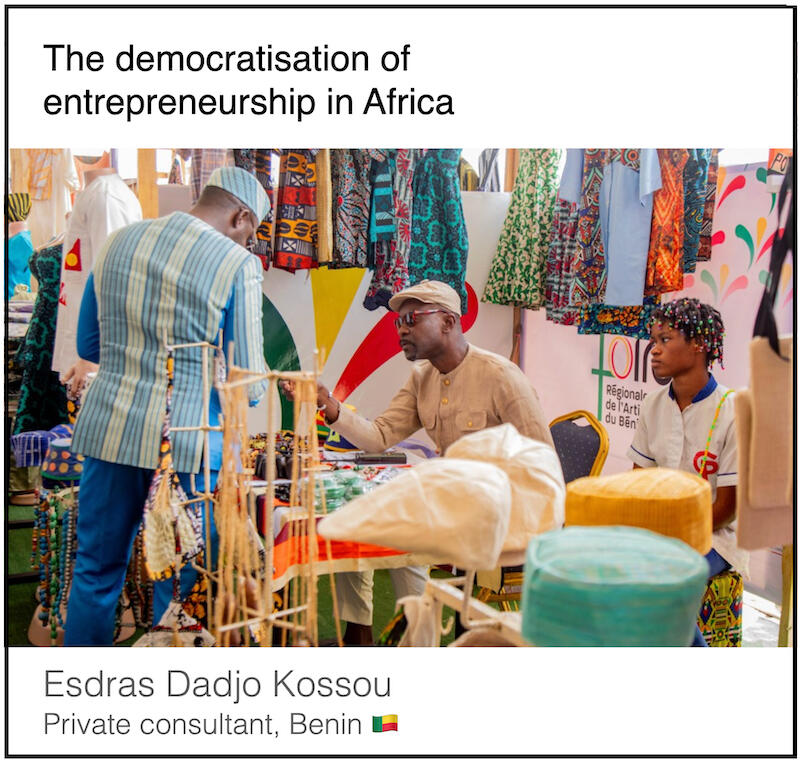
Nadiir Bheekhun (AeroNAD Group, Mauritius) PDF linkDadjo Kossou, E. (2026). The democratisation of entrepreneurship in Africa. Entrepreneurial Mindset Network: Express 9(1). https://express-volume-9.entrepreneurial-mindset.network/
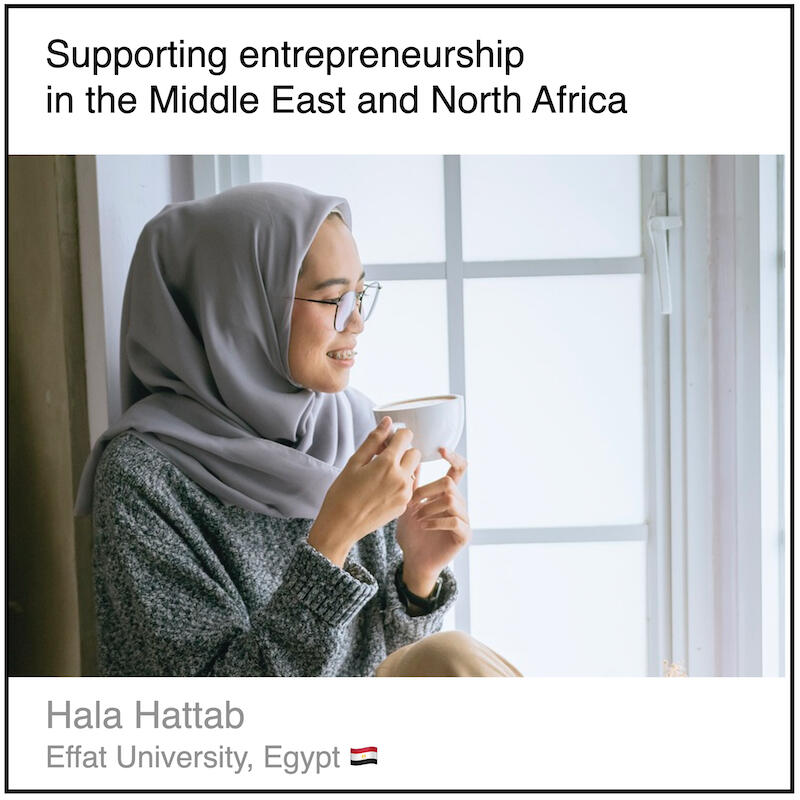
Esdras Dadjo Kossou (Private consultant, Benin) PDF linkHattab, H. (2024). Enhancing entrepreneurship and innovation in Egypt. Entrepreneurial Mindset Network: Express 7(3). https://express-volume-7.entrepreneurial-mindset.network
Hala Hattab (Effat University, Egypt) PDF linkHoffman, M. (2019). How do we teach entrepreneurship? Entrepreneurial Mindset Network: Express 2(2). https://express-volume-2.entrepreneurial-mindset.network
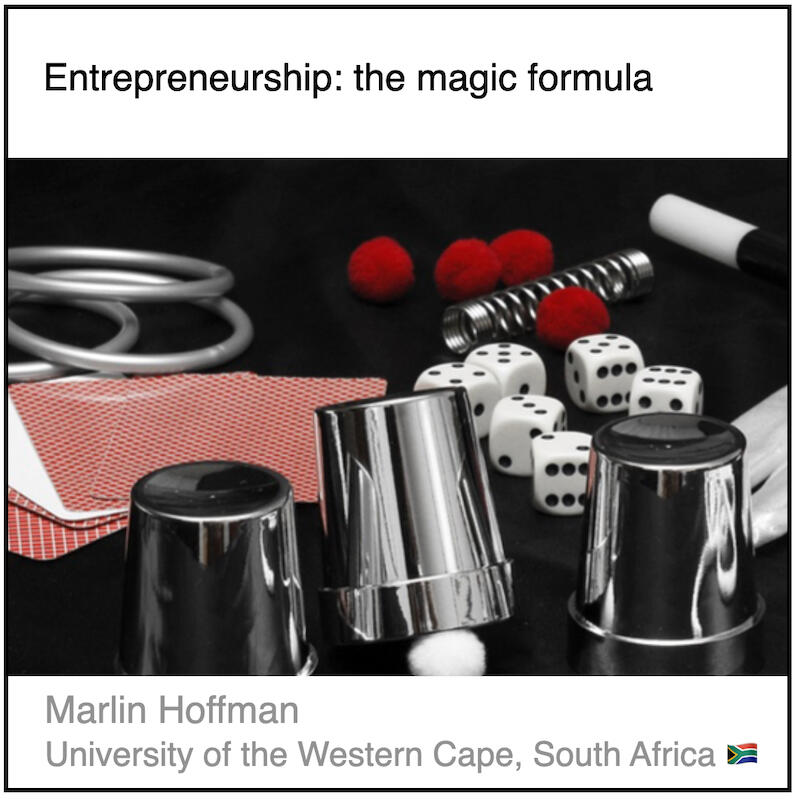
Marlin Hoffman (University of the Western Cape, South Africa) PDF linkHoffman, M. (2019). Entrepreneurship - the magic formula. Entrepreneurial Mindset Network: Express 2(3). https://express-volume-2.entrepreneurial-mindset.network
Marlin Hoffman (University of the Western Cape, South Africa) PDF linkJacobs, D. (2021). Instilling a winning mindset in the young. Entrepreneurial Mindset Network: Express 4(1). https://express-volume-4.entrepreneurial-mindset.network
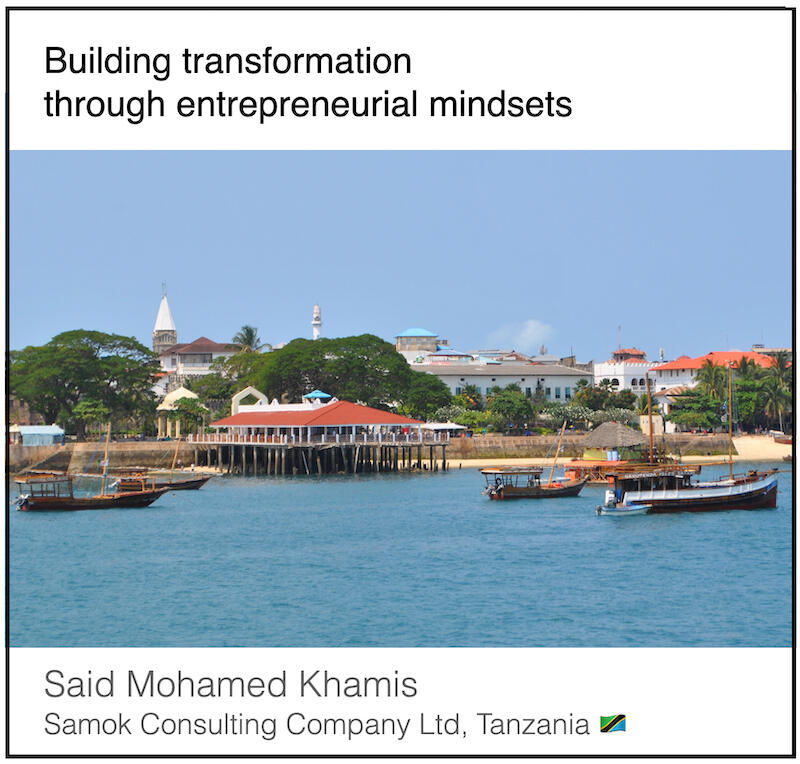
Danie Jacobs (Young Entrepreneurs Virtual Academy, South Africa) PDF linkKhamis, S. M. (2026). Building transformation through entrepreneurial mindsets: reflections from Zanzibar. Entrepreneurial Mindset Network: Express 9(2). https://express-volume-9.entrepreneurial-mindset.network/
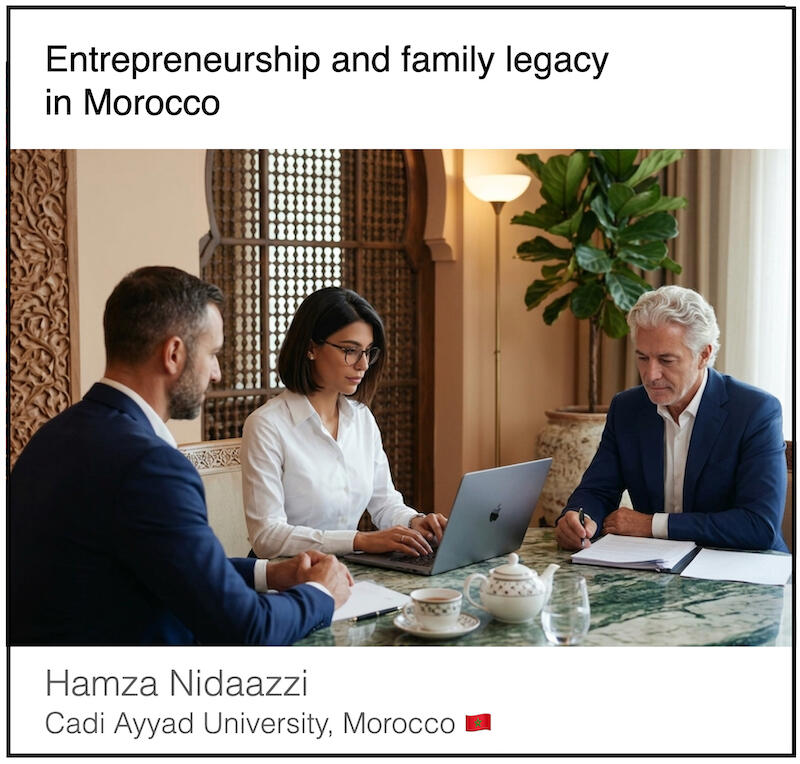
Said Mohamed Khamis (Samok Consulting Company Ltd, Tanzania) PDF linkNidaazzi, H. (2026). Entrepreneurship and family legacy in Morocco. Entrepreneurial Mindset Network: Express 9(2). https://express-volume-9.entrepreneurial-mindset.network/
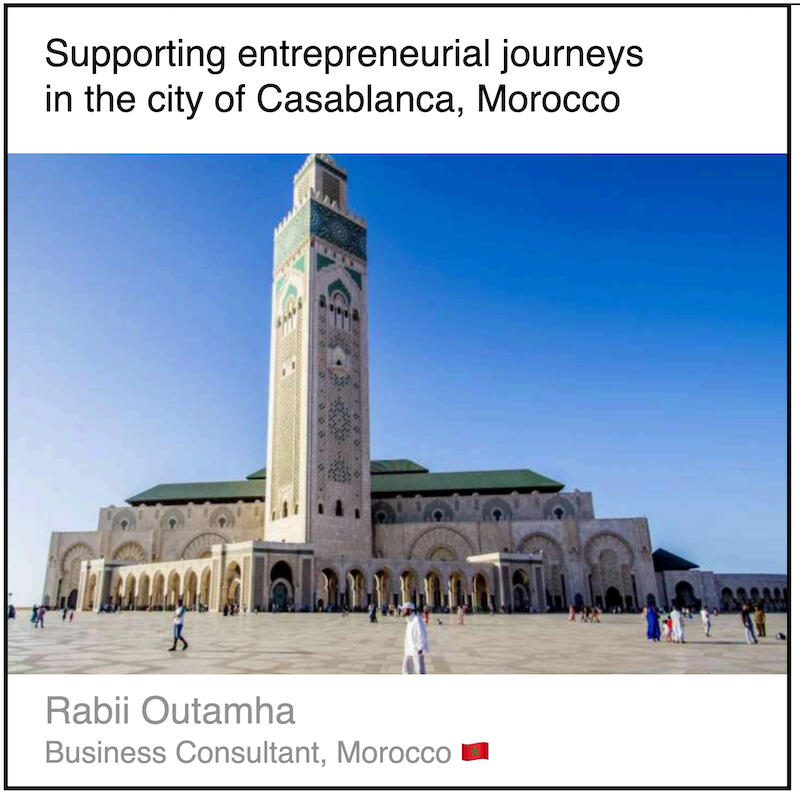
Hamza Nidaazzi (Cadi Ayyad University, Morocco) PDF linkOutamha. R. (2023). Supporting entrepreneurial journeys in the city of Casablanca, Morocco. Entrepreneurial Mindset Network: Express 6(1). https://express-volume-6.entrepreneurial-mindset.network
Rabii Outamha (Business Consultant, Morocco) PDF linkSlippers, B. (2018). Future Africa. Entrepreneurial Mindset Network: Express 1(2). https://express-volume-1.entrepreneurial-mindset.network
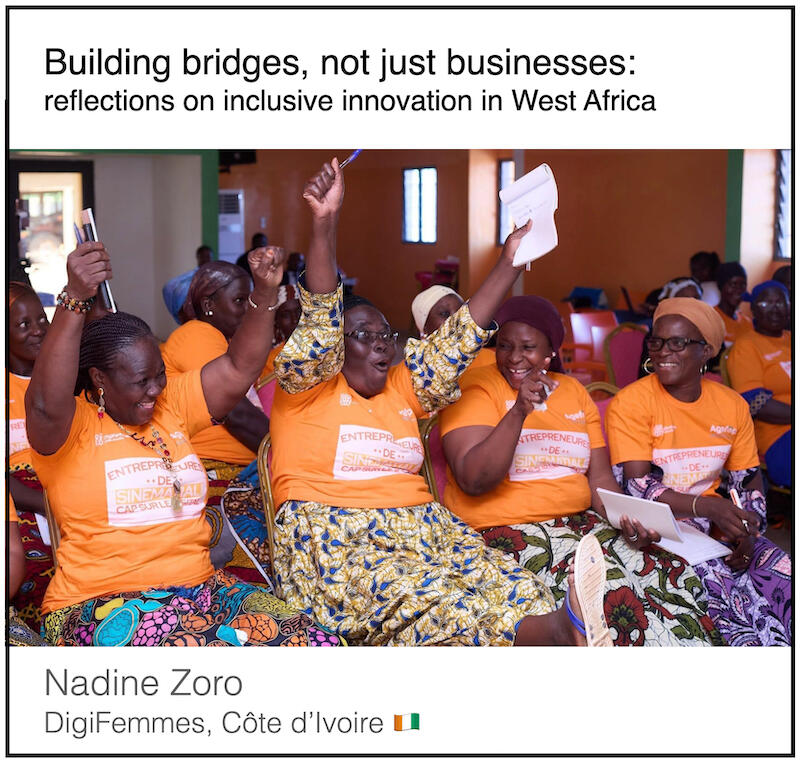
Bernard Slippers (University of Pretoria, South Africa) PDF linkZoro, N. (2026). Building Bridges, Not Just Businesses: Reflections on Inclusive Innovation in West Africa. Entrepreneurial Mindset Network: Express 9(2). https://express-volume-9.entrepreneurial-mindset.network/
Nadine Zoro (DigiFemmes, Côte d’Ivoire) PDF link
This website is published by the Entrepreneurial Mindset Network © 2026 all rights reserved.
All the content on this website is written by humans.
Only the Executive Summary was generated using Gemini Notebook.